
Overview
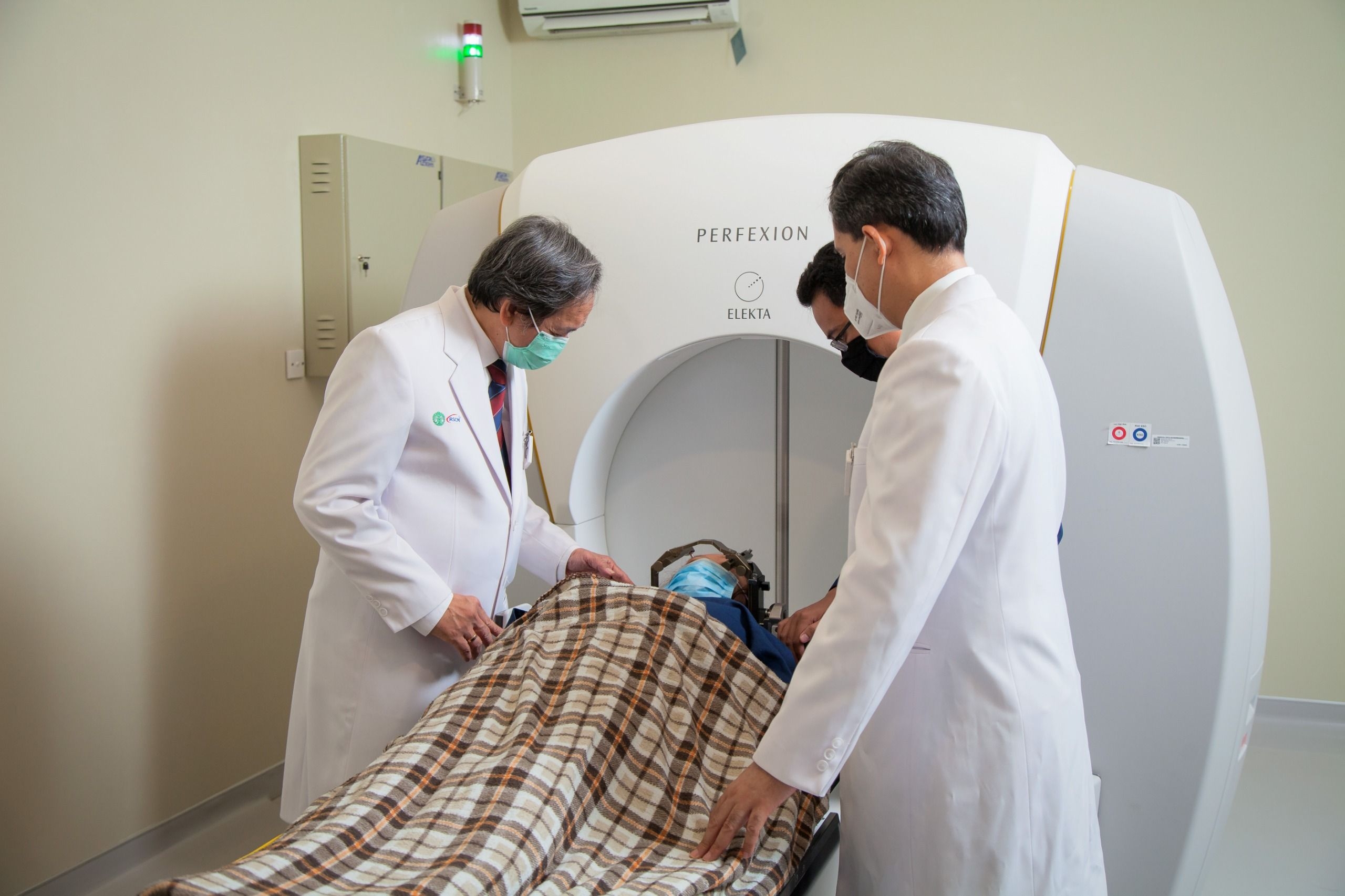
Gamma Knife® Radiosurgery, a non-invasive surgical method (does not require incisions) for various nerve disorders and tumors in the upper head and neck. This method does not use a scalpel at all, but rather gamma rays using a new generation of advanced technology, namely the Leksell Gamma Knife® PerfexionTM.
The Leksell Gamma Knife® Perfexion focuses gamma ray radiation from 192 Co-60 sources onto the tumor location with a clinical accuracy of less than 0.50 mm, thereby minimizing tissue damage around the aiming target.
Diseases that can be treated with Gamma Knife :
Benign Brain Tumors
Meningiomas
Acoustic Neuroma (Vestibular Schwannoma)
Pituitary Tumor
Glioma Benign Tumors
Craniopharyngioma
Pineal Tumor
Cerebral Vascular Disease
Arteriovenous Malformation
Cavernous Malformation
Malignant Brain Tumor
Brain Metastases
Glioma
Chondrosarcoma
Functional Brain Disorders
Trigeminal Neuralgia
Epilepsy
Parkinson's disease
Eye Disorders
Glaucoma
Advantages of Gamma Knife :
Accurate radiation on the tissue that is experiencing abnormalities so that there are minimal side effects.
Precision, reaching tumors that are difficult to reach by conventional surgery.
Minimal risk of bleeding, infection and impaired brain function.
Post-recovery is fast and the patient can return to activities the next day.
Patients do not require hospitalization after therapy.
Safe including elderly patients who are at high risk if surgery is performed.
Gamma Knife therapy stages :
Consultation and diagnosis
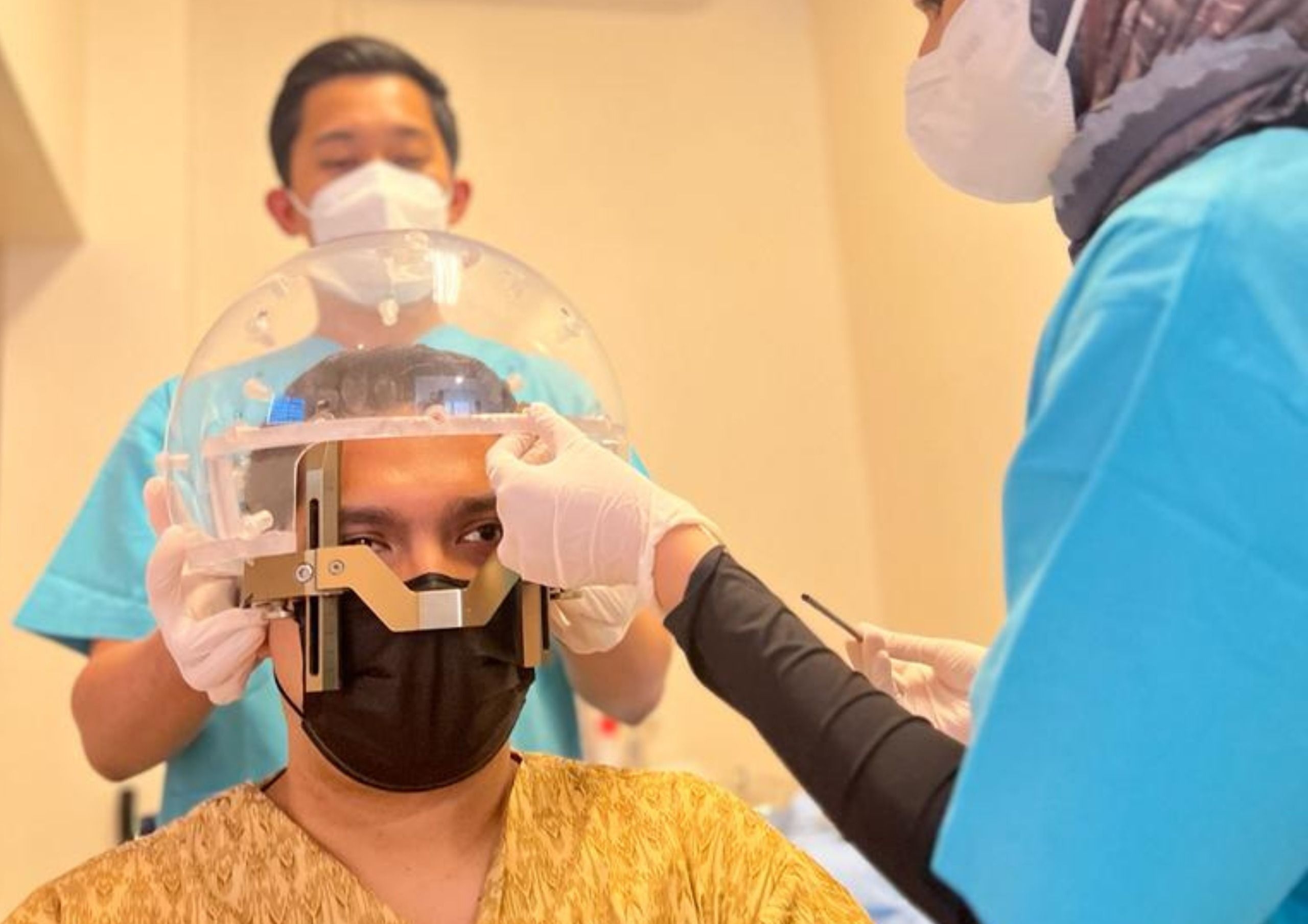
Stereotactic frame installation
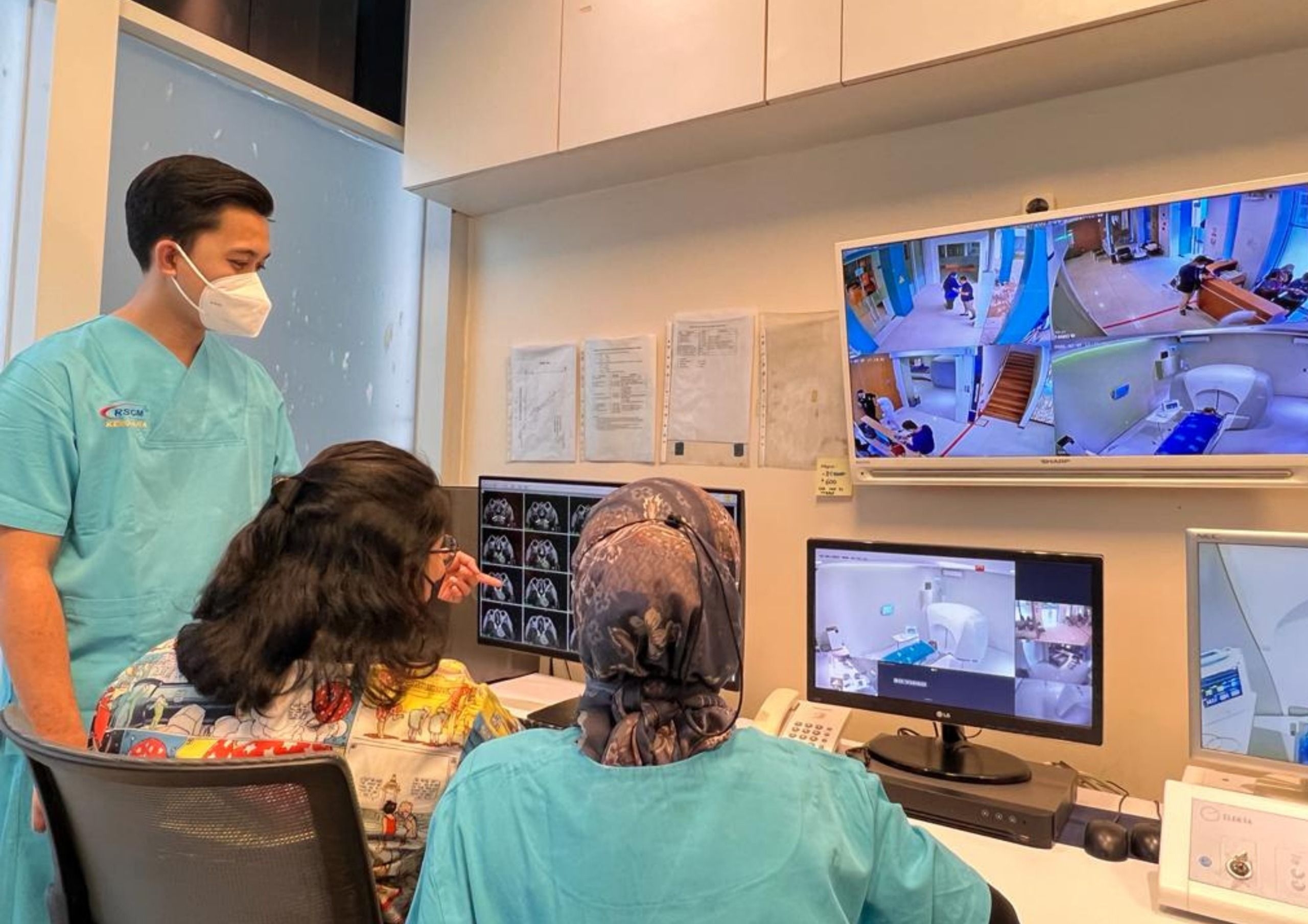
Imaging: MRI, CT Scan or digital subtraction angiography (according to diagnosis)
Therapy planning
Gamma Knife Therapy
Post-Action ( check-up with doctor)
There are 463 patients who have received Gamma Knife Radiosurgery at RSCM from July 2018 to December 2023. The trend in the number of patients treated is increasing. In 2018 there were 39 people and in 2019 there were 96 people. Even though there was a decline in 2020 due to the COVID-19 pandemic, there were only 63 people who received action at that time. However, the number increased again the following year.
During 2021-2023, 265 patients were treated with various types of cases. The types of cases that have been treated are meningioma, Arteriovenous Malformation (AVM), metastatic tumor, pituitary adenoma, vestibular schwannoma, trigeminal schwannoma, and cavernoma.
Booklet
Leaflet
